Enterprise Blockchain
1. what is Enterprise Blockchain?
Enterprise Blockchain is a private or permissioned blockchain specifically designed for businesses and large organizations to securely share data, improve processes, and enhance transparency. Unlike public blockchains (such as Bitcoin or Ethereum), which allow anyone to participate, enterprise blockchains restrict access to authorized users only. This ensures greater control, better privacy, and faster transaction processing—key factors for businesses handling sensitive information. Industries such as finance, healthcare, supply chain, and government use enterprise blockchains to streamline operations and reduce costs.
A key feature of enterprise blockchains is permissioned access, meaning only trusted participants can read or write data. This improves data privacy and regulatory compliance. Additionally, these blockchains support smart contracts—automated programs that execute predefined rules—helping businesses automate workflows without manual intervention. Consensus mechanisms in enterprise blockchains are more efficient (e.g., Proof of Authority (PoA) or Practical Byzantine Fault Tolerance (PBFT)), ensuring faster transaction speeds than public networks. Examples include Hyperledger Fabric, R3 Corda, and Quorum, which cater specifically to enterprise needs.
Enterprise blockchain offers several advantages, such as improved security, cost reduction, and better collaboration among multiple parties. For example, in supply chain management, it provides real-time tracking of goods, reducing fraud and errors. In finance, it ensures secure and quick transactions while maintaining a transparent audit trail. However, challenges like scalability, integration with legacy systems, and ongoing maintenance require careful consideration. As technology evolves, enterprise blockchain is expected to play a crucial role in digital transformation across various industries.
2.Supply Chain Management
Supply Chain Management refers to the process of planning, implementing, and controlling the flow of goods, services, and information from the point of origin to the final consumer. It involves managing the entire lifecycle of a product, including sourcing raw materials, manufacturing, inventory management, distribution, and delivery. Effective SCM ensures faster production, cost reduction, better quality control, and customer satisfaction. Modern supply chains rely on technology, data analytics, and automation to enhance efficiency and transparency across all stages.
A well-managed supply chain involves several key components: procurement, which focuses on sourcing raw materials; production, which involves manufacturing and quality checks; inventory management, which monitors stock levels; and logistics, which handles storage and transportation. Information sharing between suppliers, manufacturers, and retailers ensures better coordination and faster decision-making. Technologies like IoT (Internet of Things), blockchain, and artificial intelligence play a significant role in real-time tracking, predicting demand, and reducing errors in supply chain processes.
The future of supply chain management focuses on sustainability and digital transformation. Companies are adopting green supply chains to reduce environmental impact through eco-friendly packaging and optimized routes to minimize emissions. Blockchain technology provides secure and transparent records of transactions, preventing counterfeit goods and ensuring traceability. Meanwhile, AI and machine learning improve forecasting accuracy, and robotics streamline warehouse operations. As global trade evolves, businesses must continuously improve their supply chain strategies to stay competitive and meet changing consumer demands.
3. Healthcare Data Security
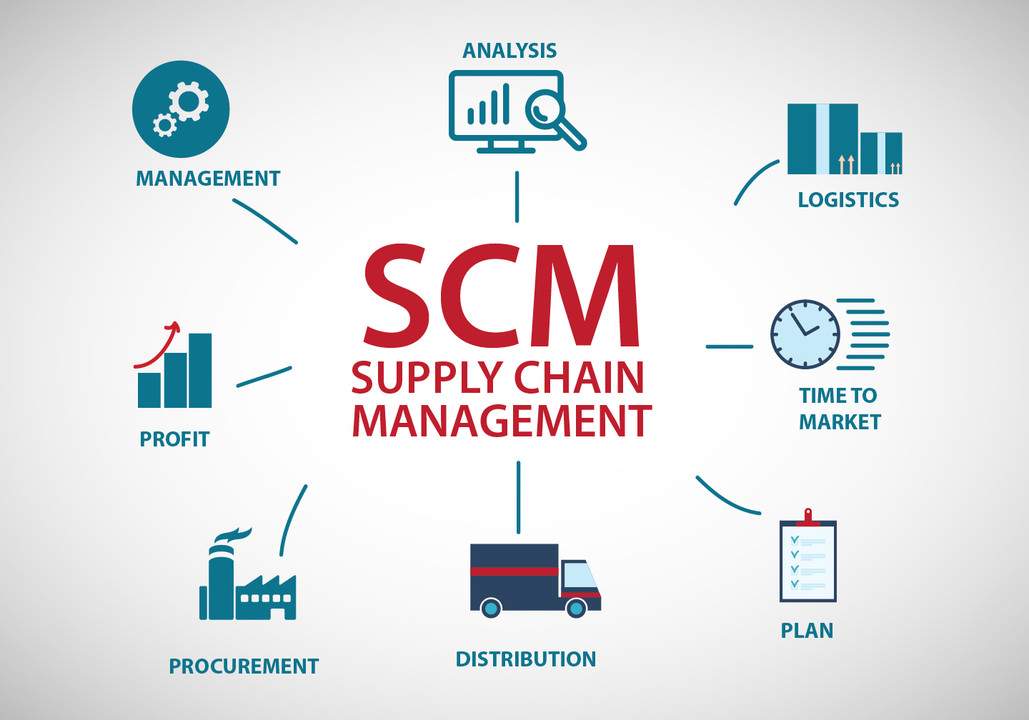
Healthcare Data Security refers to the protection of sensitive patient information from unauthorized access, breaches, and misuse. This includes safeguarding electronic health records (EHRs), medical histories, insurance information, and other confidential data. Healthcare organizations must comply with regulations like HIPAA (Health Insurance Portability and Accountability Act) in the U.S. and GDPR (General Data Protection Regulation) in Europe to ensure patient privacy and data integrity. Implementing strong encryption, access controls, and regular audits is essential to prevent cyber threats such as data breaches and ransomware attacks
A critical aspect of healthcare data security is access control management, which ensures that only authorized personnel—such as doctors and nurses—can view or update patient data. Multi-factor authentication (MFA) and role-based access control (RBAC) add extra layers of protection. Data encryption is also crucial, ensuring that patient information remains unreadable even if it is intercepted. Additionally, secure data backups help organizations recover patient records in case of a cyberattack or system failure. Maintaining data confidentiality and integrity ensures patient trust and legal compliance
The future of healthcare data security focuses on advanced technologies like blockchain for secure record sharing, AI-driven threat detection, and cloud-based solutions with zero-trust architecture. Telemedicine and IoT devices add new security challenges, requiring end-to-end encryption and real-time monitoring to prevent vulnerabilities. As cyber threats evolve, healthcare providers must adopt proactive security measures, conduct regular staff training, and follow compliance guidelines to protect patient information and ensure data privacy.
4.Cross-Border Payments
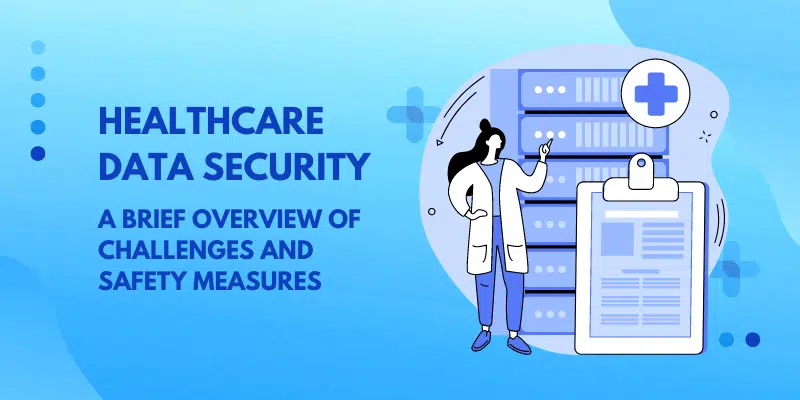
Cross-Border Payments refer to financial transactions where the sender and recipient are located in different countries. These payments are essential for international trade, remittances, and global business operations. They can be made through banks, payment service providers, or cryptocurrencies. Traditional cross-border transactions often rely on the SWIFT network for messaging between banks, but the process can be slow, costly, and complex due to currency conversions, regulatory checks, and intermediary fees. Despite these challenges, cross-border payments remain vital for the global economy.
Modern technologies like blockchain and digital currencies are transforming cross-border payments by providing faster, cheaper, and more transparent alternatives. Stablecoins and Central Bank Digital Currencies (CBDCs) aim to reduce reliance on traditional systems, offering near real-time settlements. Payment providers like Ripple and Visa Direct also use distributed ledger technology (DLT) to speed up and streamline international transfers. These innovations improve liquidity, reduce settlement times, and enhance traceability, addressing many inefficiencies in legacy systems.
The future of cross-border payments focuses on regulatory alignment, interoperability, and security. International organizations like the Financial Stability Board (FSB) and IMF are working to create standardized frameworks for cross-border digital payments. Artificial intelligence (AI) and machine learning are also enhancing fraud detection and compliance monitoring. As cross-border payments evolve, innovations aim to deliver faster transactions, lower costs, and greater financial inclusion, allowing people and businesses worldwide to send and receive money seamlessly.
5.Identity Management
Identity Management refers to the processes and technologies used to manage digital identities and control access to resources. It ensures that the right individuals access the right data at the right time for authorized purposes. Key components of identity management include user identification, authentication, and authorization. Organizations use Identity and Access Management (IAM) systems to securely manage employee, customer, and partner identities across various digital platforms, ensuring data protection and regulatory compliance.
Modern identity management involves advanced technologies like biometric authentication, multi-factor authentication (MFA), and single sign-on (SSO) to enhance security and user convenience. It also includes federated identity management, which allows users to access multiple systems with a single identity across organizational boundaries. With the rise of cloud computing, identity management solutions have evolved to provide centralized control over both on-premises and cloud-based resources. This approach ensures secure user access while protecting against unauthorized entry.
Effective identity management is crucial for preventing data breaches, complying with regulations like GDPR and HIPAA, and enhancing user experience. As cyber threats become more sophisticated, decentralized identity solutions using blockchain technology are emerging. These systems give users greater control over their digital identities while ensuring privacy and security. Future advancements in identity management will focus on AI-driven threat detection, passwordless authentication, and improved interoperability, ensuring secure and efficient identity verification in the digital world.
6.Decentralized Voting Systems
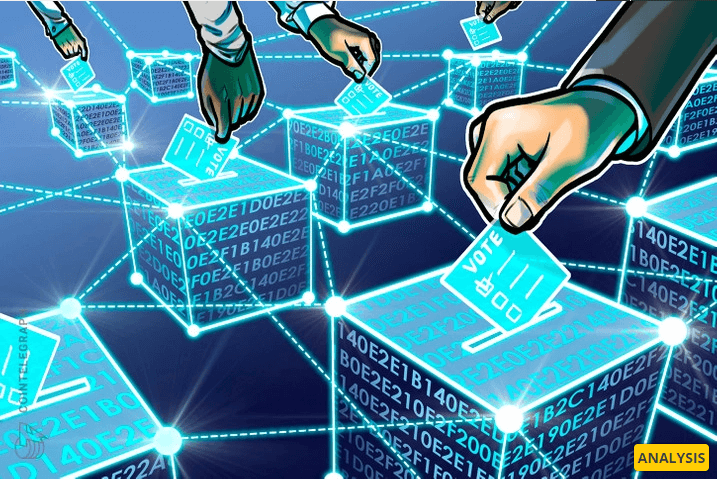
Decentralized Voting Systems use blockchain technology to create secure, transparent, and tamper-proof voting processes. Unlike traditional voting systems, which rely on central authorities to manage and verify votes, decentralized systems distribute the process across a blockchain network. This ensures that no single entity can manipulate the results. Each vote is recorded as a cryptographically secured transaction, making it immutable and verifiable by anyone on the network. This approach enhances trust and transparency while reducing the risk of election fraud and vote tampering.
One of the main advantages of decentralized voting systems is voter anonymity and data integrity. Votes are encrypted and stored on the blockchain, ensuring that individual identities remain private while maintaining vote accuracy. These systems also allow for remote voting, enabling people to vote securely from any location without compromising election integrity. Smart contracts automate vote counting and verification, reducing human error and ensuring instant results once the voting period ends. This makes the process faster, efficient, and cost-effective compared to traditional paper-based methods
Despite their benefits, decentralized voting systems face challenges such as scalability, accessibility, and security risks. Ensuring that the system is user-friendly for all voters is essential to prevent voter disenfranchisement. Additionally, protecting the system from hacking attempts and vote-buying schemes requires advanced cryptographic protocols and continuous audits. As technology advances, decentralized voting systems could revolutionize democratic processes, making elections more inclusive, transparent, and trustworthy worldwide.
7. Real Estate Transactions
Real Estate Transactions Blockchain technology is transforming real estate transactions by enhancing transparency, security, and efficiency. Traditionally, real estate processes involve multiple intermediaries like agents, lawyers, and banks, leading to high costs and delays. With blockchain, transactions can be digitized and automated using smart contracts, which execute deals automatically when pre-set conditions are met. This reduces paperwork, fraud, and manual errors, making the process faster and more secure. Property records stored on a blockchain are tamper-proof and can be easily verified, ensuring accurate ownership information.
One major advantage is the tokenization of real estate assets. Tokenization allows properties to be divided into digital tokens, which represent ownership shares. This opens up real estate investment to smaller investors, enabling fractional ownership and increasing market liquidity. Buyers and sellers can trade these tokens on blockchain-based platforms, reducing the need for third-party verification. Additionally, cross-border property transactions become easier, as blockchain removes the complexities of currency conversion and international legal processes.
Blockchain also strengthens property title management. Traditional title records are often incomplete or inaccurate, leading to disputes. By storing property titles on an immutable blockchain, all changes and transfers are permanently recorded, minimizing the risk of title fraud. This system provides a single source of truth for real estate ownership, reducing the need for title insurance and lengthy verification processes. As adoption grows, blockchain could make real estate transactions more accessible, secure, and cost-efficient worldwide.
8. Document Verification
Document Verification is revolutionizing document verification by providing a secure, transparent, and tamper-proof system for managing digital records. Traditional document verification methods often involve manual processes, centralized databases, and third-party verification, which can lead to delays, errors, and fraud. Blockchain offers a decentralized solution, where documents are verified using cryptographic hashing and stored on an immutable ledger. This ensures that once a document is recorded, it cannot be altered or forged, enhancing trust and authenticity
One significant application of blockchain in document verification is academic and professional credentials. Universities and organizations can issue digital certificates on a blockchain, allowing employers to instantly verify their authenticity. This reduces the risk of fake degrees and credential fraud. Similarly, legal documents such as contracts, identity proofs, and property deeds can be recorded and verified on the blockchain, providing a permanent and accessible record. Users can share a unique digital signature or QR code linked to the verified document, enabling quick and easy validation.
Blockchain-based document verification is also being adopted in government services and healthcare. Governments use blockchain to verify citizenship records, voter identities, and tax filings, ensuring data integrity and reducing identity theft. In healthcare, patient records stored on the blockchain provide secure and accessible medical histories while maintaining patient privacy. By eliminating intermediaries and manual checks, blockchain document verification enhances efficiency, reduces costs, and provides a trustworthy method for verifying sensitive information.
Comments